What Is Ecosystem Design?
Modern businesses face many tough questions when it comes to marketing and communications. These include:
- How can you play a central role in new communities
- How can you connect to the customer needs and make them aware of your brand?
- How to build new products with successful go to market strategy?
- How can you use customer engagement platform (like linkedin or amazon) better?
The answer to all of the above? Consider the demands of your stakeholder ecosystem, and then use cocreation and user experience to optimize your business model to meet the needs of the ecosystem.
Without consideration of all your stakeholders (that is the ecosystem) in your process, including those who are not part of your brand or product lifecycle, you are bound to miss user needs, and make decisions based on outdated, irrelevant and siloed information.
You may be great at increasing sales performance every quarter, for example, but a single controversy can be enough to sink your audiences’ trust. On the opposite end, you may make every effort to uphold your stated values and conduct your business ethically; but, without a way to connect these efforts to your sales messaging, it may never lead to a boost in customer sales or retention.
We refer to this modern system of constant, multi-pronged evaluation and feedback as a stakeholder ecosystem. To succeed in this new paradigm, where economics and ethics often travel hand-in-hand, you need to be prepared to embrace a new ways of doing business.
Marketing for one must evolve to build new kinds of connections and relationships. Nourishing stakeholder ecosystems, not “markets” or “funnels”.
Below, we’ve outlined our unique approach to facilitating value exchange via brand relationships, with marketing, design, and messaging that all seek to engage to your stakeholder ecosystem.
Why Ecosystems Thinking Makes Sense
It’s worth delving a bit more into why we feel modern business relationships operate on an ecosystem paradigm.
First, to get a sense of how ecosystems function, let’s start with an ecological definition of “ecosystem”, according to the Encyclopedia Britannica: “the complex of living organisms, their physical environment, and all their interrelationships in a particular unit of space.”
The Oxford English Dictionary notes that this usage has become extended to refer, often metaphorically, to any “complex network or interconnected system.” Using ecosystem design is an also a function of the terms connection to systems design.
The gist is that human behavior and decision making has always been insanely complex, governed by — and affecting — many countless systems of economics, labor, market exchange, informational exchange, and all the ideas contained therein. In modern terms, our ecosystems include every action we take, every idea we hold onto, every bit of information we ingest, and every purchase we make.
Only a complex model can account for modern human behavior, in totality, including how we feel about and interact with the myriad of companies we encounter in our daily lives. That’s why we feel the term “ecosystem” makes the most sense.
Be Conscious of Your Ecosystem — Because We Can Never Truly Know What Matters Most
Too often, businesses take a reductive approach when wading into the complex, interconnected systems in which they participate. They assume customers only think about exchanging money for goods and services. They also assume that this purchase experience is linear, mirroring old-school marketing journeys or funnels.
In reality, customers are also exchanging ideas and information about your brand, while looking into all of the ways your business affects the world they care about.
Beyond value exchange, your stakeholders may also be concerned about:
- Ethical hiring practices and internal operations
- Ethical use of technology
- Customer data safety
- Environmental justice, eco-consciousness, and sustainability
- Vocal and visible support for causes like racial justice, LGBTQA+ rights, or cessation of political violence
- Local impact on jobs, real estate, ecology, culture, etc.
- Alignment with other important brands, organizations, and movements they consider important to their lives
Note that all of these concepts can and do matter, not just to your audiences but also to your own business’s sustainability. Removing or not accounting for a single stakeholder or ecosystem participant can lead to the collapse of the ecosystem itself. See how in the wild example below.
How Wolves Change Rivers [REMASTERED HD] – George Monbiot
As an example, ecologists discovered that the reintroduction of gray wolf populations in Yellowstone National Park created what they called a “trophic cascade.” In this case, an increase in the number of wolves at the park provided substantial benefits to the health of the ecosystem, overall. Beaver populations resurged, as did growth of native Aspen trees. Prior to this observation, no one had even theorized that the health of these other species was connected to the presence of an apex predator, but lo, it happened to be so.
If you aren’t sure how our own economic and social systems are equally complex and ill-understood, consider this model from the American Independent Business Alliance. It depicts what happens when $100 is given to a local business — businesses which tend to support other local suppliers and vendors when compared to nationally based chains.
In effect, the simple act of giving a crisp Benji to one business instead of another yields cascade effects, resulting in greater economic and social support for the local community, at large.
Our point isn’t to advocate for any specific policy, be it wolf conservation or spending money locally (we’d say both are awesome, incidentally) but rather to illustrate that taking care of your ecosystem creates positive effects for everyone involved, including in small ways you may be completely unable to anticipate.
- Having an ecosystems approach to marketing, therefore, doesn’t just help your business goals but also tends to the conditions that can help everything in that ecosystem thrive. It’s all about maintaining biodiversity, in the sense of nurturing all of your stakeholders’ concerns (not just the incumbents) and giving them the resources they need to flourish within the larger “marketplace of ideas” that we call modern society.
How to Bring Business Ecosystems to Life
Now that we’ve established context for marketing from an ecosystem perspective and explained the stakes involved, we’re ready to explain how we at Consciously approach the challenge of strategically defining your role within your larger ecosystem.
It all starts with first with discovering and codifying your:
- Brand Trust Context
- Brand Trust Drivers
- Brand Values (via Brand Map)
- Brand Identity System
- Language System
- Visual System
- Brand Asset Management: ops layer
- Brand Value system: Value Chain / Stream
- Products and product design
- Services
- Solutions
- Capabilities
- Tech/Ops
After this process of laying out your role within your ecosystem and how you, uniquely, build trust, we can then begin crafting customized Ecosystem Journeys, including journeys that communicate your values as well as those that sell your value, in terms of concrete product/service offerings.
Our multi-pronged approach to Ecosystem Journeys includes:
- Relationship Journeys
- Brand Content
- Authority Content
- Exchange Journeys
- Stakeholder / Audience Content
- Product Content
- Discovery / Search Content
- Artifact / Content Ecosystem
- Owned Touch Points
- Earned Touch Points
- Paid Touch Points
Codifying Your Brand Value System
These days, with so many options for cheap purchases with low friction points, it can be extremely difficult to compete on a value proposition alone. Plus, your ability to earn a one-time purchase is secondary to your ability to stay top-of-mind for — and in the good graces of — your customers and other stakeholders.
We have found that selling your values and their explicit connect to your value, can create net returns by building stakeholder trust. Again, crucially, these stakeholder groups include both people who might make a business transaction as well as those who are simply encountering, learning about, and forming opinions of your brand.
The good news is that all businesses start with a set of values in mind. These values may not be well-defined or even apparent to the people who run your operations, but that’s why you should take the time to hash out what they are, specifically. More importantly, seek to define them in ways that connect deeply with your stakeholder audiences.
Brand Trust Context
Every brand builds trust with its stakeholders in different ways. To help brands see how they do it, we’ve identified eight archetypal Brand Trust Drivers™: Equity, Systems, Competency, Compass, Sustainability, Degrowth, Cultured, and Place. A systems-centered company earns trust through the rigor of how it builds; a sustainability-centered company earns it through how it treats the planet; a place-centered company earns it through its roots in community. Your business may straddle several drivers or fit none of them neatly — that’s fine. What matters is knowing which contexts your stakeholders already trust you in, and designing from there.
Note that your business may straddle multiple categories, or it may not fit neatly into any single one. That’s ok! What’s important is to begin considering your strengths and how those strengths play out in terms of how your audiences view you, as a brand.
Defining Brand Values via a Brand Map
Most startups understand that they should go through the exercise of crafting a purpose/mission/vision/values statement. The goal isn’t to codify a statement but an Identity Canon…the world-logic your brand improvises from.
Going the extra mile to ensure the language accurately meets the intent of the company, and that this same level of intent is visible within other aspects of their branding language, such as within their company description is the key to being consistent across contexts.
The Brand Map sets your company’s values into stone, basically, so that they are precisely communicated and capable of creating the impact needed to build stakeholder trust.
Codifying Your Brand Canon (Ecosystem)
After creating a basic, values-focused profile of your business, it’s time to solidify how these values are manifest within the ways you communicate directly to your audiences. We also take the time to infuse your value — as in transactional goods/services value — within your language and visual identity.
Brand Language Ecosystem
The Brand Language Ecosystem document acts as an inventory of your most critical messaging “assets”, with an api on the backend to use across your business tools.
Many brands take the time to develop language that aids in sales. E.g., defining your USPs, or creating messaging that anticipates and addresses common objections. However, they often don’t put the same care into communicating their values-based messaging, such as by turning their mission or vision statements into concrete declarations of what you care about most, as a company.
Within the Language Ecosystem document, we take care to craft language that:
- Defines your company from a values and trust perspective
- Illustrates your thought leadership and ideological innovation
- Speaks directly to your customer audiences, from a trust and values perspective
- Distinctly and succinctly sells your goods/services
- Builds a framework for search (SEO) strategy, using any or all of the above
This document acts as a priceless asset that can be consulted internally, at any time, especially when crafting external-facing messaging and campaigns.
Visual Identity System
Many brands take the time to craft their visual identity using unique logos, color schemes, fonts, and other types of visual communication.
Consciously works with exemplary visual design teams to ensure that this identity system is complete, well-defined, and capable of making an impact, while remaining consistent with the type of company you are, in terms of values, value, and the type of trust you build.
Brand Value System — AKA Defining Your Value Chain or Value Stream
At Consciously, we’re all about connecting your values to your value. To that end, we take the time to diagram all of the ways in which you offer value to your stakeholder audiences — largely from a transactional perspective, but also from the perspective of the non-sales metrics you prioritize; e.g., your commitment to offsetting CO2 emissions using proprietary systems.
All of the following helps construct a value chain or value stream that delivers value to your consumer/client stakeholders using a unique combination of business and values-infused factors:
- Products
- Services
- Solutions
- Capabilities
- Any Unique or Distinctive Tech/Ops Systems
More Insights
- Read the insight
How connecting Values to Value drives reputation and revenue.

- Read the insight
What is PolyIdentity? Applying Intersectionality to Business

- Read the insight
The Polybrand: How to Understand Brand In the Systems Era

- Read the insight
Privacy In Marketing: The Value In Living Out Your Values

- Read the insight
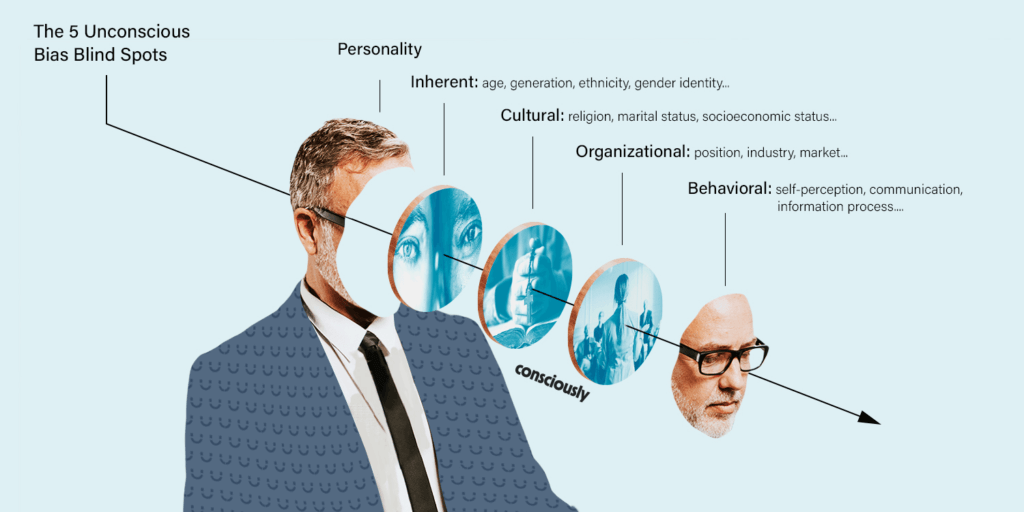
Demystifying Unconscious Bias for Marketers
- Read the insight
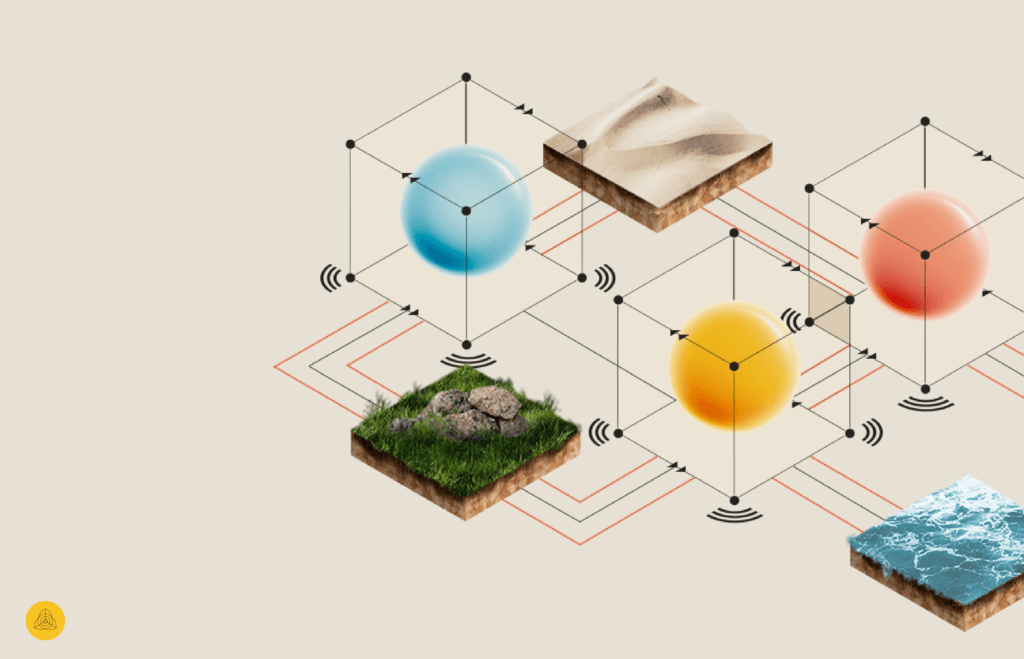
Ecosystems for better marketing
- Read the insight
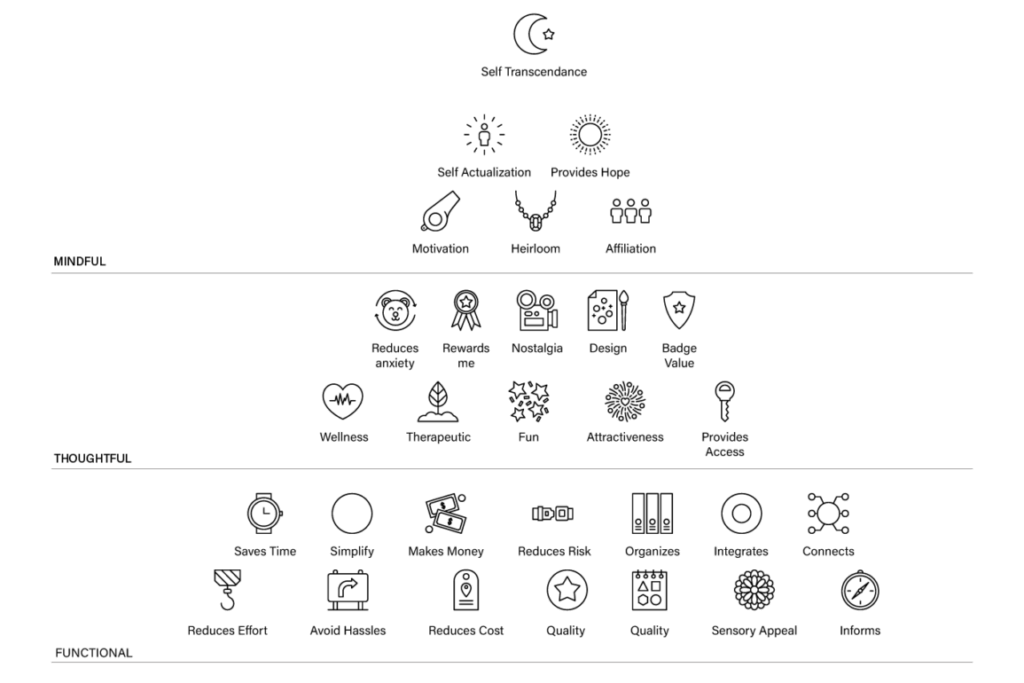
30 Ways to Be Worthy Audience Trust: Examples, types and definitions
- Read the insight
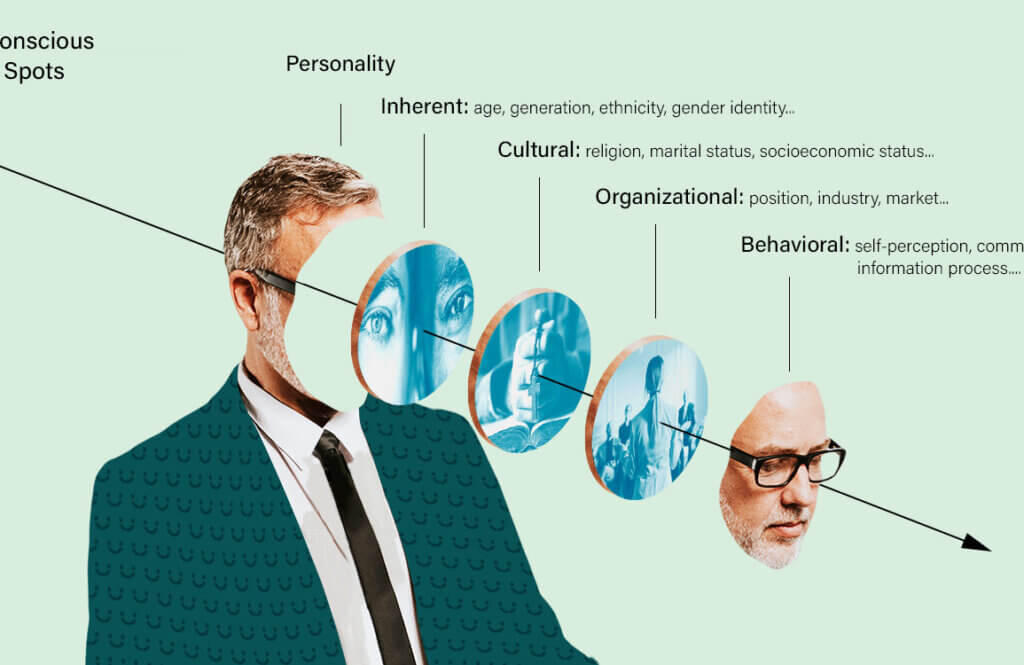
Demystifying Unconscious Bias for Marketers
- Read the insight
Ecosystem Design and the ecosystem roles you need to know for effective maps
- Read the insight
Replace Traditional Customer Personas with Audience Personas

- Read the insight
What Is Behavioral Unconscious Bias?
- Read the insight
How to Mitigate Implicit and Explicit Bias in Your Marketing

- Read the insight
The Consciously Method™: Your Path To Becoming a Brand Worthy of Trust™ and Attention