How connecting Values to Value drives reputation and revenue.

Values Pillars (Intention and action as transparency)
- Mission & Vision – The long-term impact and societal role of the brand.
- Brand Trust Pillars – How the brand earns trust from different stakeholders.
- Stakeholder-Centered Strategy – Ensuring business decisions align with all affected groups.
- Ecosystem Thinking – Creating sustainable value beyond the company’s direct transactions.
Value Pillars (Ability and Consistency of Value Delivery)
- Products & Services – Offerings (value chain) that align with mission
- Ecosystem Wayfinding™ – Communicating values and value effectively
- Revenue and Model – Financial sustainability without compromising purpose
- Adoption and Adaptation – Evaluating and iterating based on stakeholder feedback
Values to Value Matrix
| High Values & High Value (Core Strengths – Prioritize & Execute) | High Values, Low Value (Mission-Aligned, Needs Monetization) |
|---|---|
| Stakeholder-Driven Innovation – Align brand trust pillars with tangible offerings – Integrate purpose into every product & service – Build marketing that nourishes ecosystems, not just markets | Brand Awareness & Thought Leadership – Establish credibility in stakeholder-driven marketing – Invest in purpose-driven storytelling – Engage in advocacy & movement-building efforts |
| Low Values, High Value (Transactional, Needs Alignment) | Low Values, Low Value (Eliminate or Transform) |
| Product-First Approach Without Clear Purpose – High revenue but lacks long-term stakeholder trust – Risks ethical misalignment & brand dilution – Requires ecosystem alignment to create sustainable growth | Non-Strategic Efforts & Wasted Resources – One-off campaigns without stakeholder alignment – Marketing without ecosystem consideration – Short-term tactics that don’t build trust |
What is the Brand Value System?
At Consciously, the Brand Value System replaces the old, transactional value chain with a more ecosystem-aligned, stakeholder-first framework. It maps how a brand delivers value (products/services/capabilities) while embodying its values (equity, sustainability, trust, etc.).
This isn’t just about logistics or delivery — it’s about how each component of a business’s operations builds trust and contributes to ethical, stakeholder-centered outcomes.
Application Across Industries
1. SaaS (Software-as-a-Service)
Traditional Value Chain: Product dev → Pricing → Onboarding → Customer success
Consciously’s Brand Value System:
Products/Services: Subscription software + modular add-ons
Capabilities: Data transparency, ethical AI, self-serve analytics
Value Add: Responsible use of data, reduced carbon footprint in cloud storage
Stakeholder Layer:
Clients get flexible, frictionless access to tools
Communities benefit from open-source contributions or educational programs
Internal team enjoys ethical labor practices and inclusive culture
Example: A SaaS platform for small business finance uses open-banking APIs + educational content to democratize financial access — value is delivered via tech and trust is built through community webinars and transparent data use.
2. CPG (Consumer Packaged Goods)
Traditional Value Chain: Sourcing → Manufacturing → Distribution → Shelf
Consciously’s Brand Value System:
Products/Services: Ethically sourced food/skincare/clothing
Capabilities: Regenerative agriculture, circular packaging, supply transparency
Value Add: Partnerships with BIPOC-owned co-ops, offsetting carbon in shipping
Stakeholder Layer:
Consumers align their purchase with values
Retailers gain shelf-stable, story-driven goods
Producers are equitably compensated and represented
Example: A snack brand uses ingredients sourced from Indigenous farms, prints QR codes to trace origin stories, and reinvests 10% in local agri-tech — transforming the shelf from a sales channel to a storytelling platform.
3. Manufacturing
Traditional Value Chain: Procurement → Fabrication → Assembly → Logistics
Consciously’s Brand Value System:
Products/Services: Machinery, hardware, components
Capabilities: Energy-efficient production, workforce safety, lean circular systems
Value Add: Eco-certifications, local supply chain equity, workforce development
Stakeholder Layer:
B2B buyers get ethical sourcing assurances
Communities benefit from job training and environmental stewardship
Investors align capital with long-term ESG returns
Example: A clean-tech manufacturer creates solar panel components using a zero-waste model and partners with community colleges to build a skilled labor pipeline.
4. B2B Services (e.g., Consulting or Enterprise Solutions)
Traditional Value Chain: Outreach → Sales → Engagement → Deliverables
Consciously’s Brand Value System:
Products/Services: Strategy, change management, workforce consulting
Capabilities: DEI audits, stakeholder engagement, regenerative ops frameworks
Value Add: Social impact metrics, inclusive procurement advising
Stakeholder Layer:
Clients receive data-backed, future-fit transformation
Employees are part of inclusive project teams
Communities benefit from client reforms in hiring or culture
Example: A B2B consulting firm helps a client reimagine their hiring pipeline to include returning citizens and partners with community organizations to build trust in the brand’s transformation.
5. Service-Based Companies (e.g., Wellness, Legal, Education)
Traditional Value Chain: Booking → Service Delivery → Follow-Up
Consciously’s Brand Value System:
Products/Services: Coaching, legal counsel, therapy, tutoring
Capabilities: Trauma-informed practices, tiered access pricing, community sponsorships
Value Add: Digital safety, mental health inclusion, client education
Stakeholder Layer:
Clients receive culturally competent, transparent service
Staff work in safe, supportive conditions
Wider communities gain indirect access via free events or open materials
Example: A therapy network trains BIPOC clinicians, offers sliding-scale services, and hosts public mental health forums to drive awareness — showing value far beyond the invoice.
Takeaway: Values-Driven Value Delivery
We are redefining how businesses think about the value they deliver. It’s not just the what, but the how and why — interwoven through delivery of products and services.
This framework is not just about transactional value but also about how brands connect values to their value in a stakeholder-driven ecosystem.
How Consciously Defines the values to value connection
Holistic Value Exchange
Unlike traditional value chains focused purely on product and service delivery, Consciously’s Brand Value System considers:
Stakeholder impact
Ethical considerations
Ecosystem alignment
Long-term trust-building
Key Elements of the values to value connection,
Products
Services
Solutions
Capabilities
Tech/Ops Systems
Integration with Stakeholder Ecosystems
The ultimate goal is to make sure messaging, operations, and services reinforce ethical, trust-based relationships.
Beyond Transactions: Trust and Sustainability
This approach shifts the focus from linear supply chains to a dynamic, interdependent value chain, where success is measured not just by delivery but satisfaction and ongiong relationships with those whom deliver and exchange may never happen.
More Insights
- Read the insight
What Is Ecosystem Design?

- Read the insight
What is PolyIdentity? Applying Intersectionality to Business

- Read the insight
The Polybrand: How to Understand Brand In the Systems Era

- Read the insight
Our Value and Offerings to the world
- Read the insight
Privacy In Marketing: The Value In Living Out Your Values

- Read the insight
Is the Marketing Funnel Broken? Ecosystem Design for CMOs and CEOs

- Read the insight
How to Excel at Both Strategy and Execution: A Conscious Approach

- Read the insight
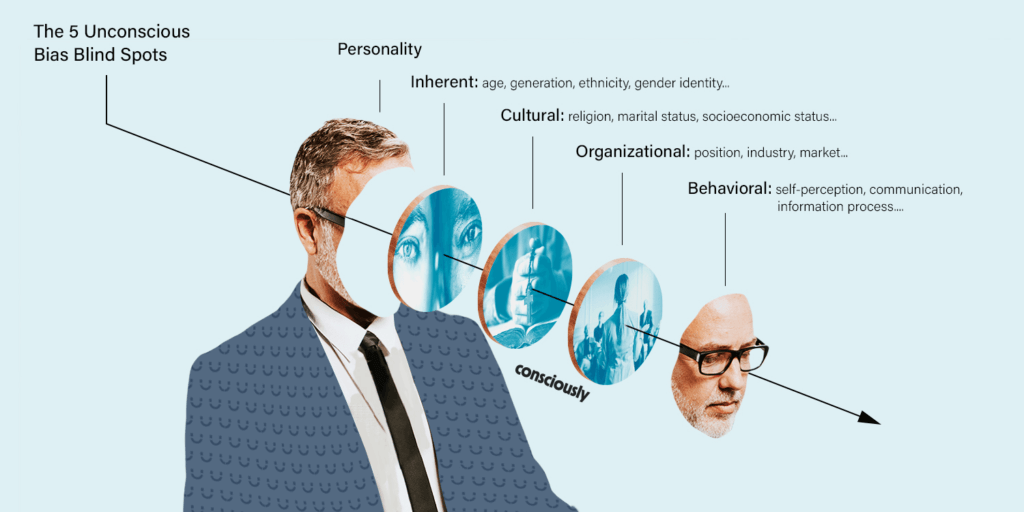
Demystifying Unconscious Bias for Marketers
- Read the insight
Ecosystems for better marketing
- Read the insight
30 Ways to Be Worthy Audience Trust: Examples, types and definitions

- Read the insight
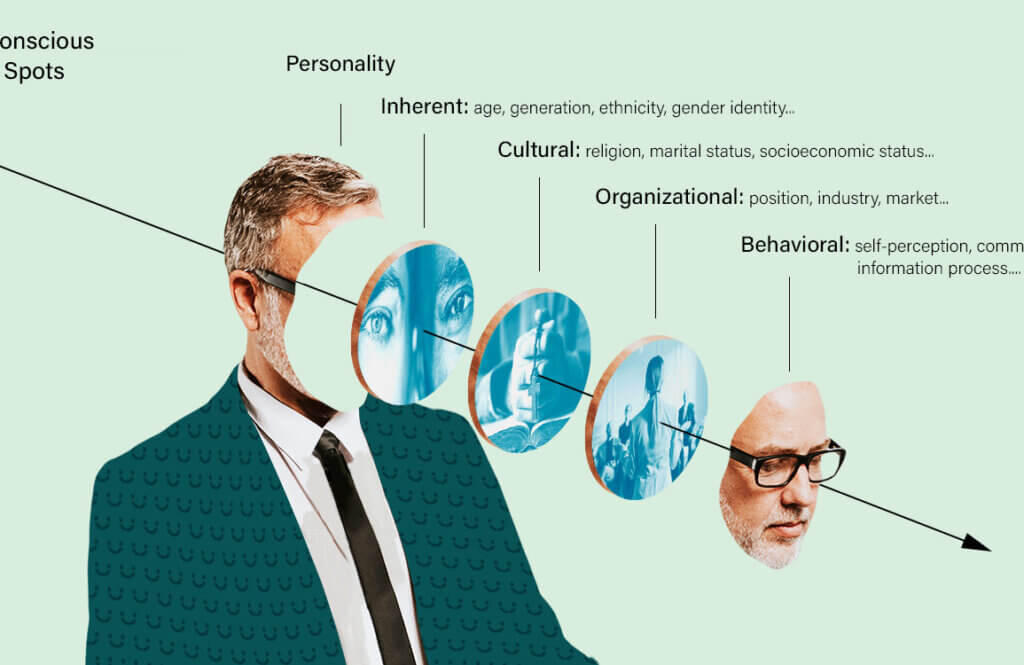
Demystifying Unconscious Bias for Marketers
- Read the insight
Ecosystem Design and the ecosystem roles you need to know for effective maps
- Read the insight
Replace Traditional Customer Personas with Audience Personas

- Read the insight
What Is Behavioral Unconscious Bias?
- Read the insight
How to Mitigate Implicit and Explicit Bias in Your Marketing

- Read the insight
The Consciously Method™: Your Path To Becoming a Brand Worthy of Trust™ and Attention

- Read the insight
Strategies are more valuable to purpose-driven businesses than plans.