
4 Ecosystem Marketing Strategies
Ecosystem Marketing Strategy….know your Context.
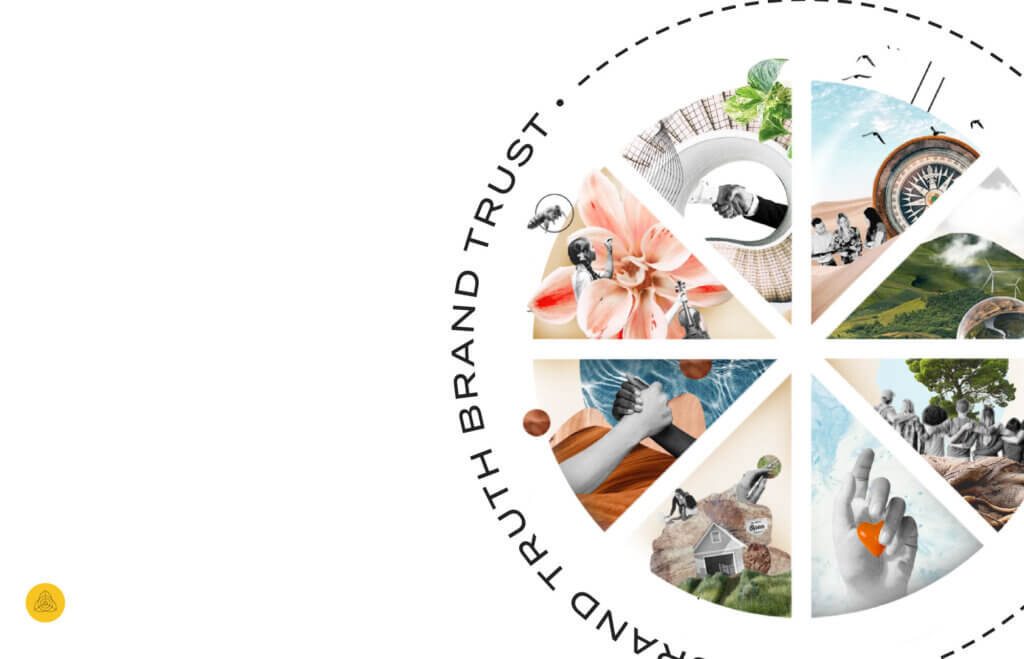
Trust isn’t built through slogans or one-off campaigns — it’s earned through consistent, strategic engagement with your stakeholder ecosystem: the people and communities your brand influences and is influenced by. Because ecosystems are vast, living systems, there’s a spectrum of ways to participate across time, effort, resources, and expertise. Choosing the way that’s aligned with your values and your Brand Trust Drivers™ (you can read more about them here) is how you figure out what will work for you.
Below are the Four Ecosystem Marketing Strategies, each one represents a different way to build trust depending on how a company’s context and the best ways for it to show up authentically.
Strategy, be an….
Enabler
Trusted by empowering others to lead.
Enablers support the ecosystem by sharing resources—funding, platforms, data, space, or visibility—without directly managing the outcome. This strategy works best when your brand’s values align with an issue, but you may not be the best one to lead. It builds trust by demonstrating humility, generosity, and commitment to collective good.
Example engagements by Trust Driver:
Equity: Provide unrestricted grants to BIPOC-led community groups.
Place: Share billboard or media space with hyperlocal campaigns.
Compass: Sponsor open-source ethical standards for your industry.
Strategy, be an….
Participator
Trusted by showing up and collaborating.
As a Participator, your brand actively contributes ideas, skills, and effort to shared work—without needing to lead it. Participators co-create, consult, and test, building trust through presence, listening, and shared risk-taking.
Example engagements by Trust Driver:
Cultured: Join advisory boards for community-first brand storytelling.
Competency: Contribute R&D to pre-competitive innovation partnerships.
Systems: Help design policy pilots for stakeholder-led regulation.
Strategy, be a….
Realizer
Trusted by bringing values to life.
Realizers lead initiatives that bring a vision, policy, or idea into action. While they may not convene the entire ecosystem, they move the work forward and deliver tangible impact. Realizers drive trust by demonstrating alignment between brand promises and outcomes.
Example engagements by Trust Driver:
Sustainability: Launch a closed-loop product initiative and track results publicly.
Degrowth: Redesign product lines around repair, reuse, and minimalist packaging.Equity: Implement equitable pay audits and restructure compensation models.
Strategy, be an….
Orchestrator
Trusted by aligning and activating the whole ecosystem.
Orchestrators connect the dots—mobilizing others, coordinating efforts, and distributing power toward a shared outcome. They lead multi-stakeholder initiatives, often blending all three previous strategies. Orchestrators build trust through transparency, accountability, and the ability to move systems—not just products.
Example engagements by Trust Driver:
Systems: Convene a cross-sector coalition to decarbonize your industry.
Compass: Build global alignment on ethical standards with partners, customers, and competitors.
Equity: Co-lead a regional hiring initiative that shifts workforce access across multiple companies.
Use these foUr strategies as A Non-Binary Trust Map
Building brand trust today requires a non-binary approach:
One that assesses your values.
Measures your capacity to engage (time, expertise, influence).
And aligns your ecosystem role across each Trust Driver.
These four strategies are how a brand shows up in the Ecosystem Era. You don’t have to show up everywhere. You just have to show up intentionally, consistently, and honestly — in the role your context makes credible. That’s what makes a brand worthy of its ecosystem’s trust.
More Insights
- Read the insight
Values Are Technology, language Is the code.

- Read the insight
NYC Map: New York Area and New Jersey B Corps
- Read the insight
The Ecosystem Era: The Funnel Era Is Over
- Read the insight
What is an Stakeholder Content Journey?
- Read the insight
Data Worth Trusting: Turning Information Into Actionable Insights

- Read the insight
Values and Value examples, frameworks and drivers
- Read the insight
Consciously® First 100% Black Owned Agency Achieves B-Corp Status

- Read the insight
The Drum features Rai-mon Nemar Barnes of Consciously as an industry leader on “How to Advance Diversity, Equity & Inclusion in Advertising”
- Read the insight
OUR PRIVACY POLICY AND THOUGHTS ON IT
- Read the insight
We Are Consciously

- Read the insight
cookie policy